
How fresh produce blockchain improves traceability
A blockchain is a shared ledger that no single company controls. For fresh produce, that means a supplier's traceability record can be checked by anyone downstream – and can't be quietly changed later.
What a blockchain adds to traceability
Each record is timestamped, signed and linked to the records before it, then copied across independent nodes. Because every node holds the same history, an edit on one copy is immediately visible as a mismatch. Four properties follow from that:
- Provenance tracking – each handler, from farm to packer, shipper, processor and retailer, adds to the same record of where the product has been.
- Sensor monitoring – IoT sensors can write location, temperature, humidity and shock readings, supporting real-time alerts.
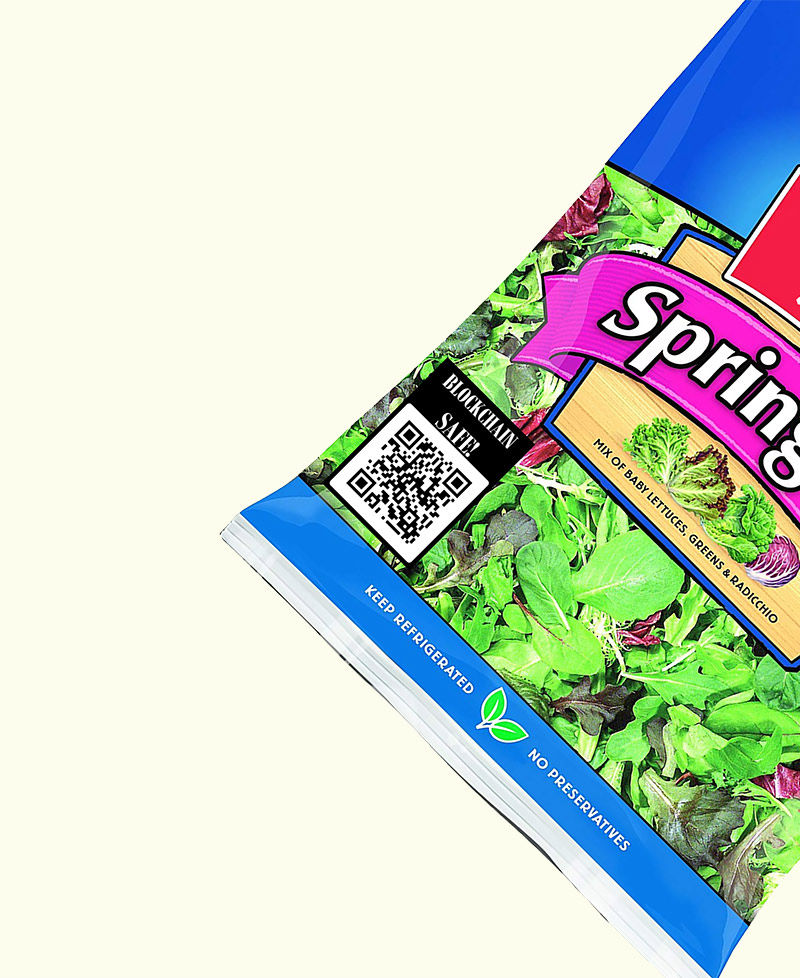
- Authentication – a QR code or digital tag links a physical pack to its record, so buyers and consumers can check it is genuine.
- Business intelligence – shared end-to-end data shows recurring problems such as food-safety failures, bottlenecks and waste.
Where it is already used
Seafood companies use blockchain records to prove catch location and legal sourcing. Meat processors use them to track storage temperatures from ranch to pack. In fresh produce, retailers such as Walmart have used Hyperledger Fabric to cut the time needed to trace mangoes back to the farm from days to seconds.
Why CHAIN-TRACE keeps the data off-chain
Putting full documents on a blockchain is slow, expensive and makes private data permanent. CHAIN-TRACE stores the encrypted package off-chain and writes only its hash on-chain – the same verification strength without exposing commercial data. Details: on-chain vs off-chain traceability.
About CHAIN-TRACE
CHAIN-TRACE is a consortium of industry interests promoting transparency, trust and traceability of food, fresh produce and seed stock. The goal is a flexible, low-cost service that traceability software vendors can build into their products.
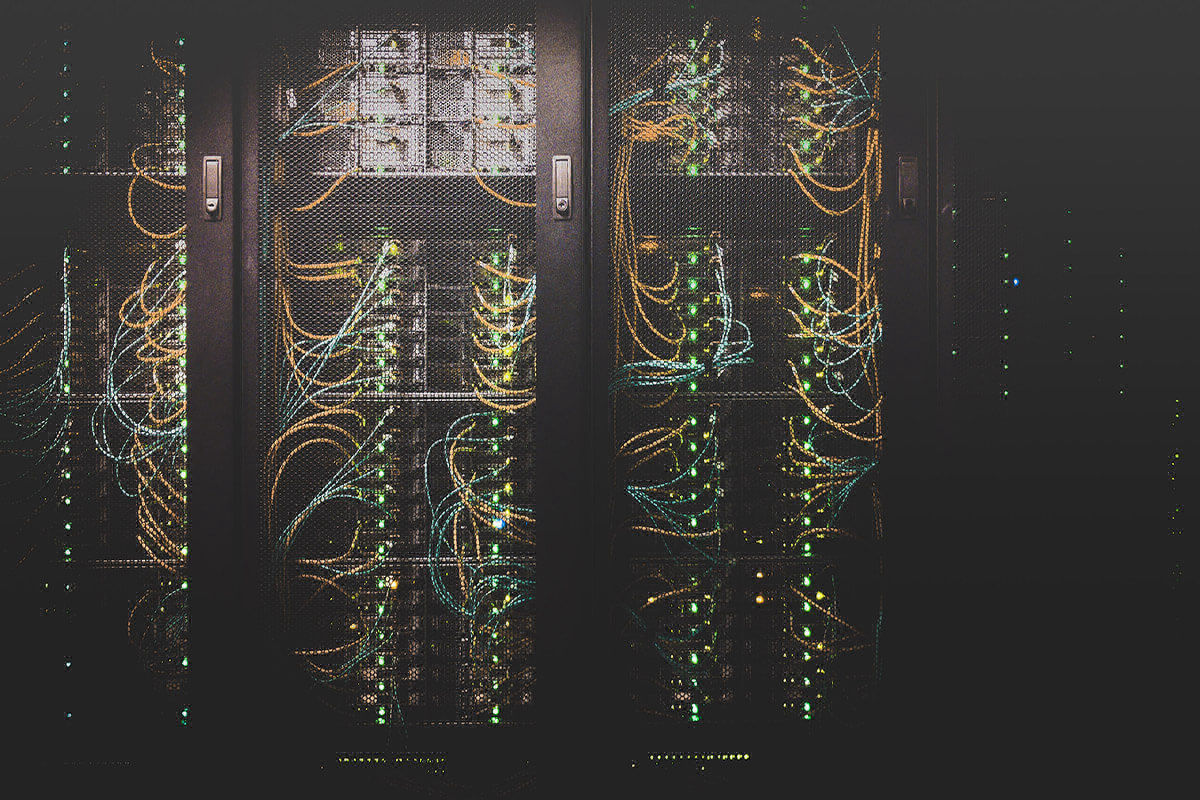
- Global nodes for redundancy
- Designed for food and fresh produce business applications
- Network engineered on Hyperledger Fabric
- Public verification interface, permissions based
Governance of CHAIN-TRACE
Consortium
The CHAIN-TRACE consortium agrees on development and standards.
Development
Consortium members supply the development resources that build and test prototypes.
Analytics
Members trial new platform configurations and feed results back, iteration by iteration.
Go live
Once the consortium approves, the new configuration is pushed to every node worldwide.
Membership requires founding-member approval and a $250k token purchase.
Questions
Is blockchain required for traceability?
No. Most traceability rules, including FSMA 204, require accurate linked records, not a blockchain. A blockchain adds tamper-evidence and shared trust between companies that don't share a database.
What does CHAIN-TRACE put on the chain?
A small record per traceability package – supplier, product, record type, file name and hash – while the package itself is stored off-chain.